
In areas prone to earthquakes, the safety and stability of buildings are of utmost importance. One essential component that plays a significant role in ensuring structural stability during seismic events is the seismic brace. These structural elements are designed to help buildings withstand the lateral forces generated by earthquakes, ultimately minimizing damage and protecting the safety of occupants.
seismic braces, also known as seismic bracing systems, are installed in buildings to provide additional support and resistance against lateral forces. These forces, also known as shear forces, can cause buildings to sway, tilt, or even collapse during an earthquake. seismic braces work by transferring these forces to the building’s foundation, where they can be dissipated safely.
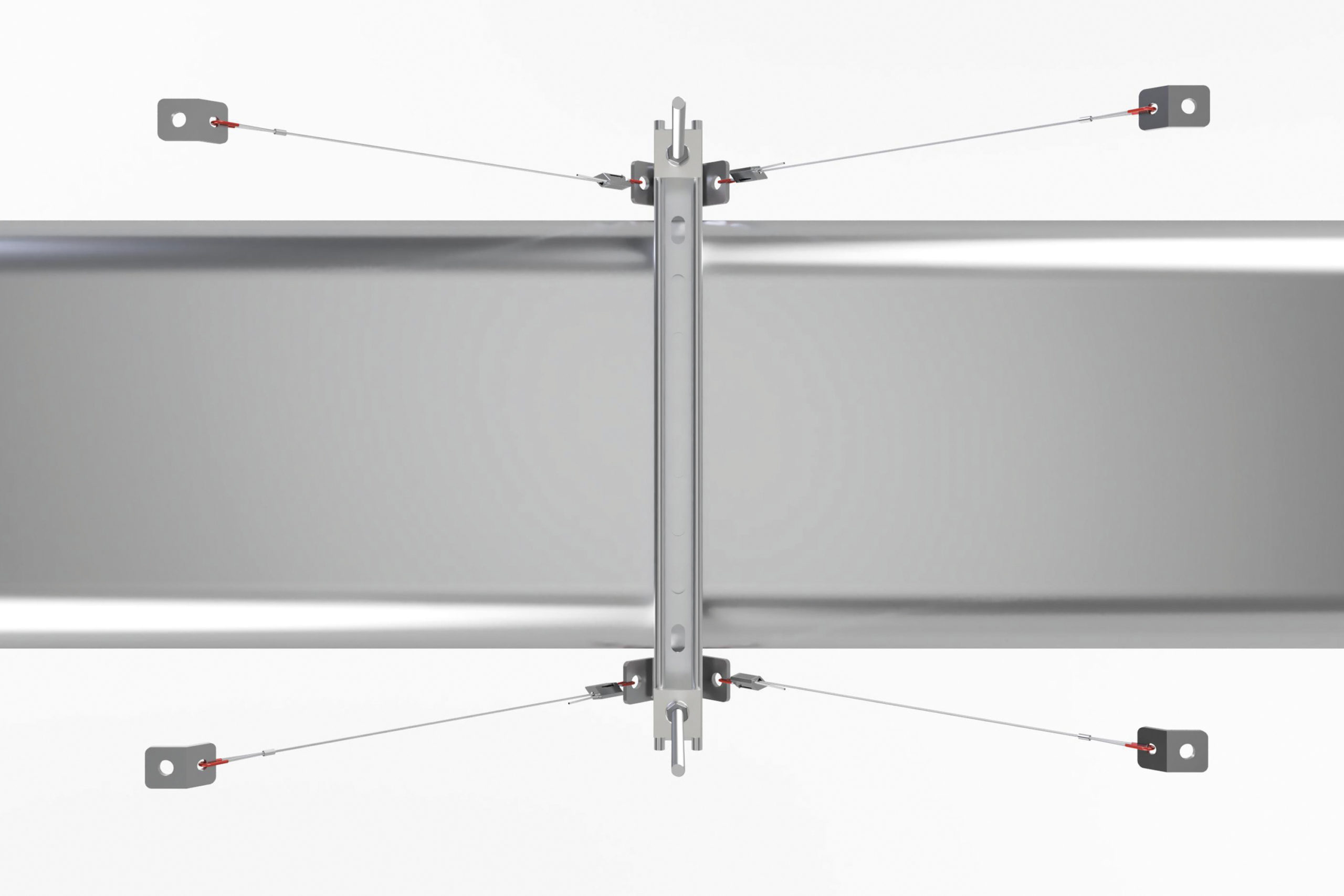
There are several types of seismic braces commonly used in building construction. One of the most common types is the diagonal brace, which consists of diagonal members installed between structural elements such as beams and columns. These braces help to distribute lateral forces more evenly throughout the building, reducing the risk of structural failure.
Another type of seismic brace is the concentric brace, which is installed along the centerline of a building’s structural elements. These braces are particularly effective at providing stability and preventing lateral movement in structures with large open spaces, such as atriums or auditoriums.
In addition to diagonal and concentric braces, there are also eccentric braces, which are designed to resist both lateral and vertical forces. These braces are often used in tall buildings or structures with irregular shapes, where the distribution of forces is more complex.
The effectiveness of seismic braces in protecting buildings during earthquakes has been well-documented. Research has shown that buildings equipped with seismic bracing systems are more likely to withstand seismic events without sustaining significant damage. In fact, seismic braces have been credited with saving countless lives and preventing extensive property damage in earthquake-prone regions around the world.
One of the key benefits of seismic braces is their ability to enhance the overall resilience of buildings. By adding additional support and reinforcement, seismic braces can help buildings maintain their structural integrity even in the face of extreme forces. This can be particularly important in regions where earthquakes are common or in areas with high population density, where the risk of structural failure can have devastating consequences.
In addition to providing structural stability during earthquakes, seismic braces can also help buildings meet building code requirements. Many jurisdictions mandate the use of seismic bracing systems in new construction or retrofitting projects to ensure the safety of occupants and minimize the risk of damage during seismic events. By complying with these regulations, building owners can help protect both their investments and the well-being of those who use their facilities.
Despite their clear benefits, seismic braces are sometimes overlooked or misunderstood in the construction industry. Some building owners may view them as unnecessary expenses or may not fully appreciate their importance in ensuring structural stability. However, the reality is that seismic braces are a critical component of any building’s structural system, particularly in earthquake-prone regions.
As our understanding of seismic activity and its impact on buildings continues to evolve, the importance of seismic braces in ensuring structural stability cannot be overstated. These essential components play a vital role in protecting buildings and their occupants during earthquakes, providing peace of mind and ensuring the long-term safety of structures.
In conclusion, seismic braces are a key element in ensuring the structural stability of buildings in earthquake-prone regions. These critical components help buildings withstand lateral forces generated by seismic events, reducing the risk of damage and protecting the safety of occupants. By understanding the importance of seismic braces and incorporating them into building design and construction, we can help ensure the resilience and safety of our built environment for generations to come.